
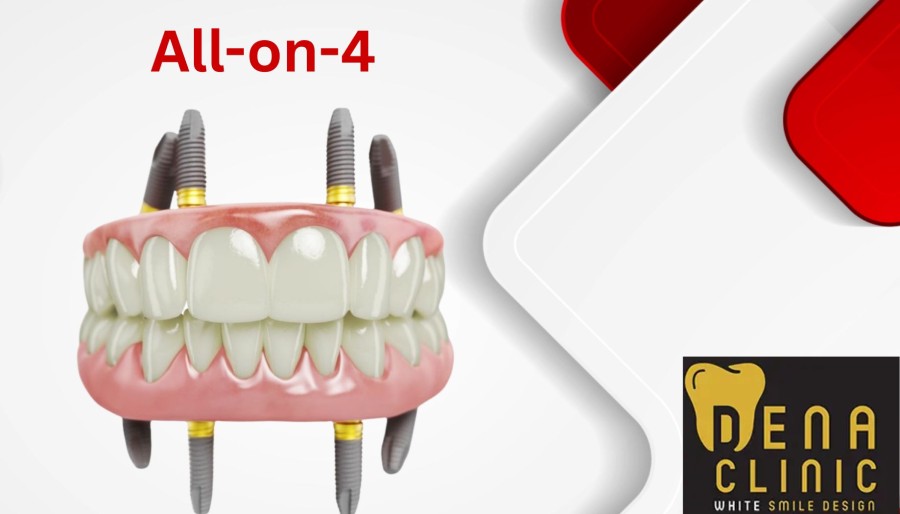
All-on-4 Dental Implant Treatment
All-on-4 Dental Implants: A Reliable Solution for Full-Arch Rehabilitation
The All-on-4 dental implant protocol has become a widely accepted method for replacing an entire arch of missing teeth using only four strategically placed implants. Developed to provide edentulous and near-edentulous patients with a stable, long-term prosthetic solution, All-on-4 minimizes the need for extensive bone grafting and shortens overall treatment time. With immediate-loading options available, patients can often leave the clinic with a functional provisional prosthesis within a single day.
One of the principal advantages of the All-on-4 concept is efficiency. By angling the posterior implants, clinicians can maximize the use of available bone and avoid anatomical structures such as the maxillary sinus or the inferior alveolar nerve. This approach reduces surgical complexity and lowers treatment costs compared to traditional full-arch implant protocols that may require additional grafting procedures. The result is a streamlined treatment plan that combines surgical predictability with prosthetic stability.
Another important benefit is patient comfort and recovery. Because the protocol frequently eliminates the need for bone augmentation, patients experience fewer surgical sites and a shorter overall healing period. Immediate provisionalization means patients spend less time without teeth, which improves function, speech, and aesthetics during the integration period. The psychological impact of restoring a full smile in a short timeframe should not be underestimated; many patients report increased self-esteem and social confidence after treatment.
Patient selection and planning are critical for successful All-on-4 outcomes. Thorough diagnostic workup, including clinical examination, dental impressions, and three-dimensional imaging such as cone-beam computed tomography (CBCT), allows the dental team to assess bone volume, anatomical landmarks, and occlusal relationships. Digital planning software often assists in simulating implant positions and designing a prosthesis that provides proper function, esthetics, and hygiene access. Interdisciplinary collaboration between surgeons, prosthodontists, and laboratory technicians further refines the treatment plan.
Functionally, All-on-4 restorations restore chewing efficiency and facial support, improving patients’ nutrition and quality of life. The fixed prosthesis eliminates the inconveniences associated with removable dentures, such as slippage, sore spots, and reduced taste sensation. Many patients report a dramatic increase in confidence after receiving All-on-4 implants because the prosthesis closely mimics natural dentition in appearance and performance.
Maintenance and long-term care are essential to the longevity of All-on-4 restorations. Patients should adhere to a rigorous oral hygiene routine, including daily brushing and interdental cleaning around the implants. Regular professional follow-up visits enable early detection of complications such as peri-implant mucositis or mechanical issues with the prosthesis. With appropriate care, implant-supported prostheses can last many years, though components like prosthetic teeth or screws may require periodic replacement or adjustment.
Risks and potential complications should be discussed openly with patients before treatment. Although All-on-4 has high overall success rates, possible issues include implant failure, infection, prosthetic fracture, and bone resorption over time. Smoking, uncontrolled systemic conditions, and poor oral hygiene increase the risk of complications. A comprehensive informed consent process ensures that patients understand expected outcomes, limitations, and alternatives.
Cost considerations and access vary by region; while initial investment may be higher than conventional dentures, many patients find the long-term benefits justify the expense. Financing options and treatment phased planning can make All-on-4 more attainable. Patients should consult with experienced clinicians to compare alternatives and obtain a personalized treatment estimate.
Technological advances continue to refine the All-on-4 technique. Innovations in implant design, surface treatments, digital workflows, and materials for prosthetic frameworks have enhanced predictability and patient satisfaction. Furthermore, the integration of immediate loading protocols and same-day provisionalization has made full-arch rehabilitation more accessible to a broader patient population.
In conclusion, All-on-4 dental implants represent a transformative option for patients requiring full-arch tooth replacement. By combining surgical efficiency, prosthetic stability, and improved patient comfort, this approach offers a practical alternative to traditional dentures and more invasive implant protocols. When performed by a skilled team with proper planning and maintenance, All-on-4 can deliver reliable functional and esthetic results that significantly improve patients’ lives. Regular dental care ensures lasting results and patient satisfaction and well-being today.