
Orthodontics
Orthodontics: straightening teeth for a healthier smile
Orthodontics is a specialized branch of dentistry focused on diagnosing, preventing, and correcting misaligned teeth and jaws. The primary goal of orthodontic treatment is to improve oral function, enhance aesthetics, and maintain long-term dental health. Misaligned teeth can cause difficulties in chewing, speaking, and oral hygiene, and may also contribute to jaw pain and increased risk of tooth decay or gum disease. Orthodontics addresses these issues by using a variety of appliances and treatment techniques tailored to individual needs.
Traditional braces are one of the most common orthodontic treatments. These consist of metal brackets bonded to the teeth and connected by wires and elastic bands. The wires gradually move the teeth into proper alignment over time. Modern braces now come in more aesthetic options such as ceramic or clear brackets, which blend with natural teeth for a less noticeable appearance. Braces are highly effective for correcting complex dental issues including severe crowding, gaps, and bite problems.
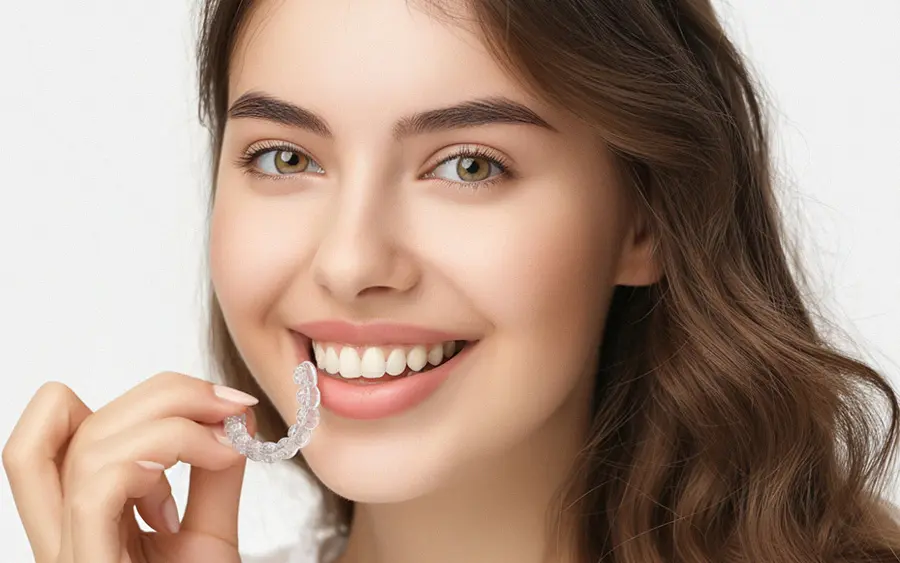
In recent years, clear aligners have gained popularity as a discreet alternative to traditional braces. These custom-made, removable trays gradually shift teeth into position without the use of wires or brackets. Clear aligners offer the advantage of easier oral hygiene since they can be removed during eating and cleaning. They are ideal for patients seeking a minimally invasive and aesthetically pleasing solution, especially adults who prefer a subtle orthodontic treatment.
Orthodontic treatment is not limited to cosmetic improvements; it also addresses functional problems. Malocclusion, or improper bite, can lead to excessive wear on teeth, jaw strain, and temporomandibular joint disorders. By correcting bite alignment, orthodontics improves chewing efficiency, reduces the risk of injury to protruding teeth, and alleviates strain on the jaw muscles. Early intervention in children can prevent more serious issues later in life.
Specialized orthodontic appliances such as palatal expanders, retainers, and headgear are also used to treat specific conditions. Palatal expanders widen the upper jaw to create more space for teeth, while retainers maintain alignment after active treatment. Headgear can guide jaw growth and correct bite discrepancies, particularly in growing children. The choice of appliance depends on the patient’s age, dental condition, and treatment goals.
The treatment process usually begins with a comprehensive evaluation including dental impressions, X-rays, and photographs. Orthodontists then create a personalized treatment plan, estimating the duration and sequence of tooth movements. Treatment length varies depending on the severity of the case, patient age, and adherence to orthodontic instructions, but most patients achieve optimal results within one to three years.
Maintaining oral hygiene during orthodontic treatment is critical. Braces and aligners can trap food particles and plaque, increasing the risk of cavities and gum problems. Patients are advised to brush thoroughly, use interdental brushes or floss, and attend regular dental check-ups. Compliance with these recommendations ensures both effective treatment and long-term oral health.
Orthodontics is suitable for patients of all ages. While early treatment in children can guide jaw development and prevent severe misalignment, adults can also benefit from orthodontic solutions. Modern techniques allow effective treatment for a wide range of dental concerns while prioritizing comfort and aesthetics.
In conclusion, orthodontics plays a vital role in achieving a healthy, functional, and beautiful smile. By straightening teeth, correcting bite issues, and improving overall oral health, orthodontic treatment enhances both appearance and quality of life. With a variety of appliances and treatment options available, patients can achieve long-lasting results under the guidance of a skilled orthodontist.